
From UK arable and livestock farms to French dairy herds, growers are cutting inputs without losing yield, and improving their margins. Here's what's happening on their land, in their own words.
Stephen Abbott · 1,000+ acres · mixed arable rotation, cover crops, maize & permanent pasture on mixed soils.
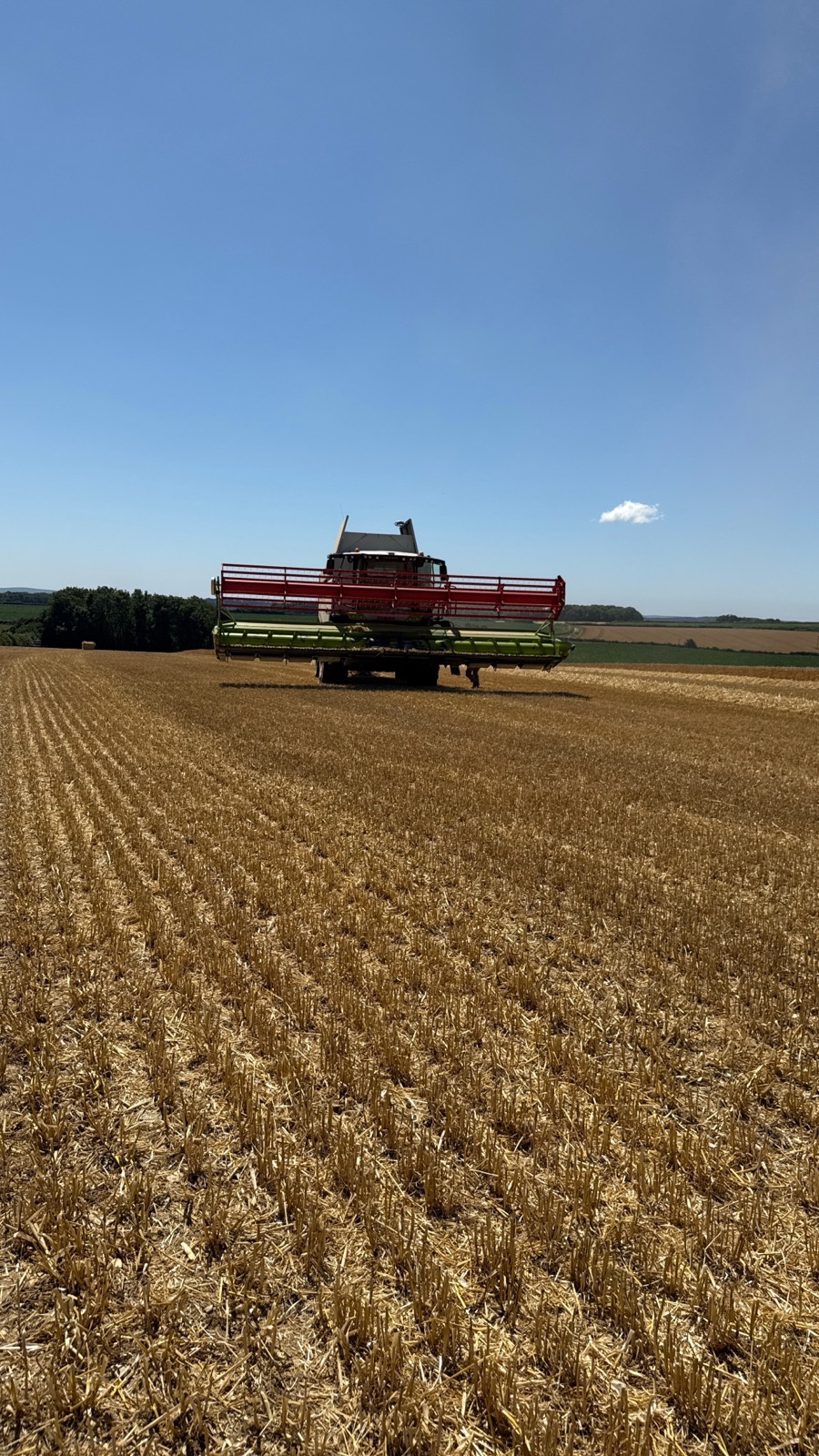
After visiting Groundswell in 2022, Stephen wanted to reduce artificial fertiliser and other inputs. He found AgrAssure online and started trialling Bacteriosol on half-fields, then ran tramline trials, the lowest at 50% less nitrogen, weighing every tramline on a neighbour's weighbridge. Bacteriolit went onto the manure before spreading.
“By cutting the nitrogen our yields did not drop, which was the big fear. The crop is utilising the nitrogen being created in the humus, exactly what we hoped. Even going into year three, I've seen positive results from both products.”
Hugh Darbishire · 500 acres · mixed sheep, cattle, arable & glamping · herbal and cutting leys.
Applied to the bedding three times over winter: smells dropped almost instantly, beds stayed drier (less straw used), livestock seemed happier, and the sheep manure broke down "almost like soil" rather than heavy straw.
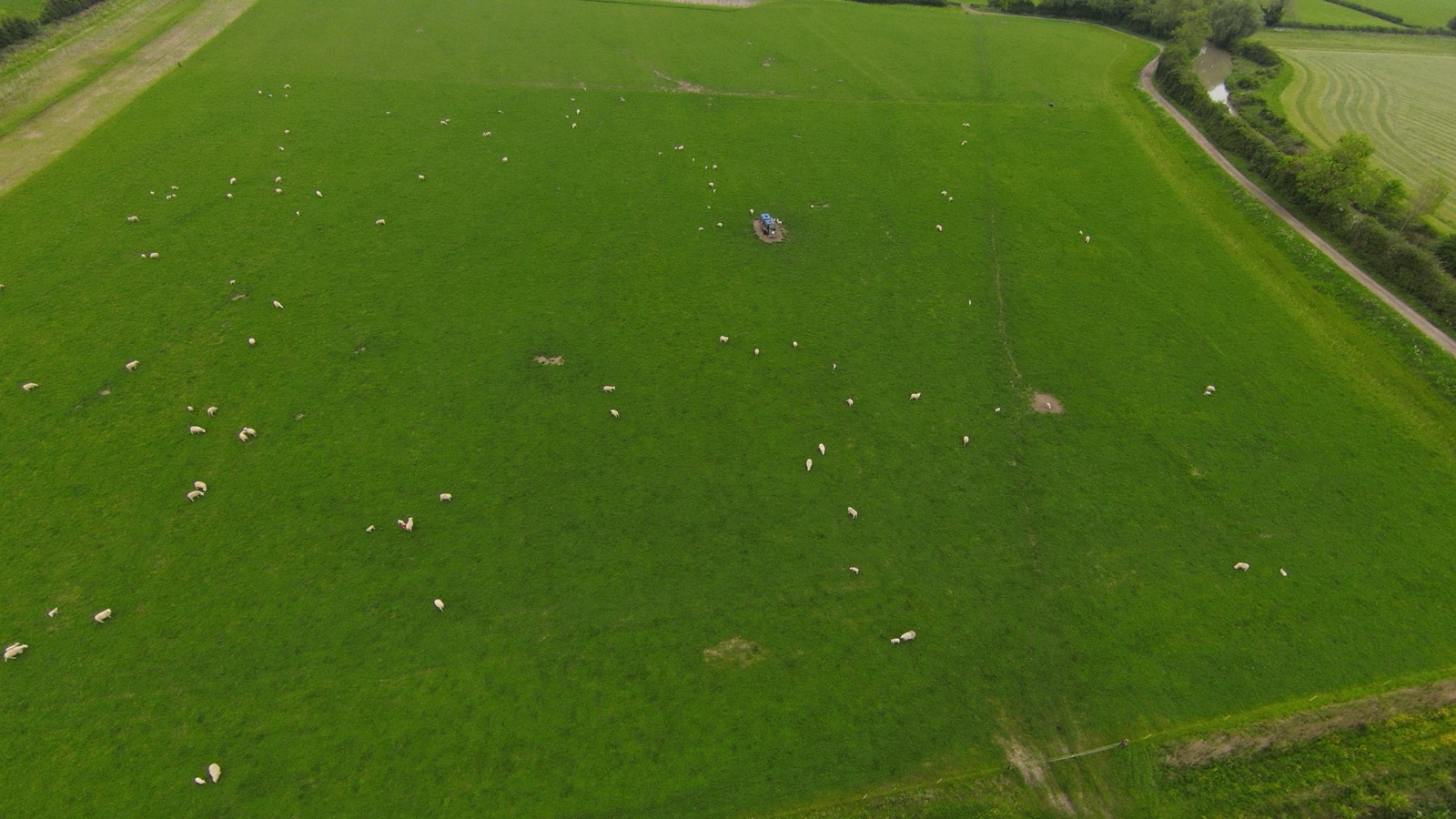
“We applied Bacteriosol to one of our worst arable fields. Once it kicked in, the results were incredible, that herbal ley carried over 100 head of sheep for six months. We nicknamed it the Turbo Field.”
Hill Farm's Bacteriosol-treated parcels were assessed in the Soils Alive! project, a collaboration between Warwickshire Wildlife Trust and Catchment Sensitive Farming (Natural England), interpreted using the AHDB Soil Health Scorecard.
Source: Warwickshire Wildlife Trust & Catchment Sensitive Farming, Soils Alive! assessment, Nov to Dec 2024.
Mountain dairy farm, France · 41 Montbéliarde cows · 58 ha · measured over 3 years before SOBAC and 5 years after.
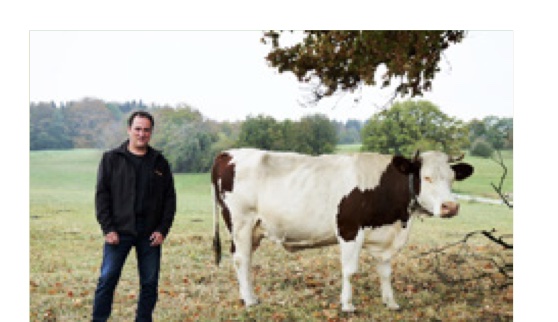
Switching from conventional fertilisation to treating manure with Bacteriolit rebuilt the soil and the fodder, and the numbers followed, with an identical herd size and surface area.
Ahuillé, Mayenne, France · 175 ha mixed crop & livestock · ~95 dairy cows + pigs · ~790,000 litres of milk · SOBAC since 2017.

“Over the year, our margin increased by €9,480 on the remuneration of milk. I've reduced veterinary costs by €7,500, with better-quality fodder, the animals are doing better.”
Dairy, beef, arable, vineyards, market gardens, goats, poultry and forestry, from Ireland and the UK to France, Spain, Germany, Hungary and Slovakia. Each grower, in detail. Published results from SOBAC. Source: sobac.fr.
East Galway, Ireland · grassland and dairy · Bacteriosol for 4 years
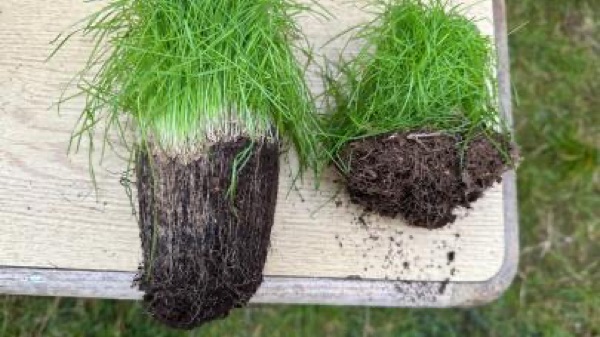
“We've stopped using phosphorus and potash, and reduced urea by 40%. The soil is more alive, the roots go deeper, and the grass regrows faster.”
Ardcroney, Co. Tipperary · 95 Holsteins plus Jerseys · 111 ha · ~10,000 kg milk at 4% fat · since 2013
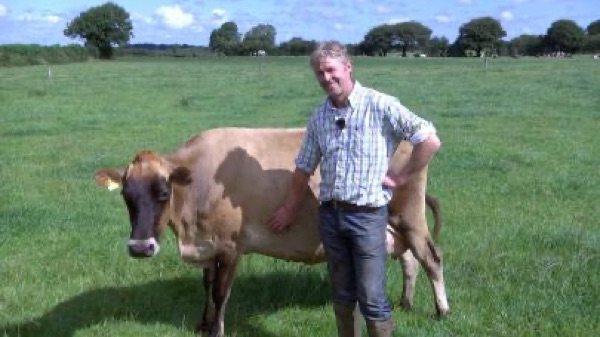
“I have been very happy with the products and I hope to stay using it in the future.”
Ballinasloe, Co. Galway · dairy and grassland
“We have no problem growing grass, we have spread no lime, no Ps and Ks in 3 years and the farm is flying.”
Toomevara, Nenagh, Co. Tipperary · 62 dairy cows · 33 ha · dairy farmer since 1994
“The results were there, I could see it, the stock is thriving on grass.”
Co. Kerry · pedigree Limousin beef · veterinary surgeon · since 2013
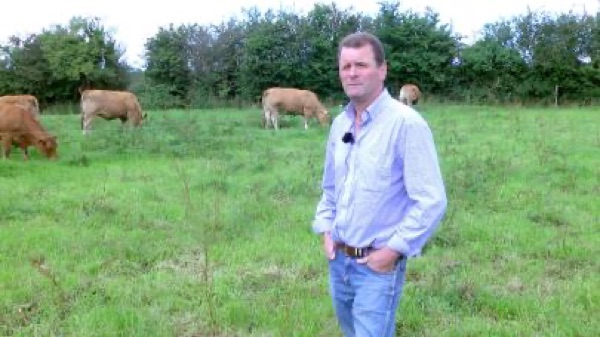
“We have a better sod under our cattle.”
Co. Kildare · 70 Aubrac cows plus 85 ewes · 85 ha · since 2012
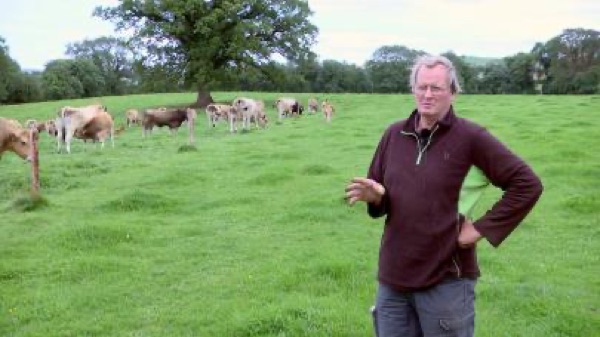
“The yields go up, and we get less and less waterlogging.”
Mackenheim, Bas-Rhin (Alsace) · 100 ha irrigated · maize, soya, wheat · Bacteriosol since 2011

“When the soil comes back to life and we respect it, it gives back to us.”
Avelin, Nord · 100 ha polyculture plus 70 Charolais · Bacteriosol since 2008
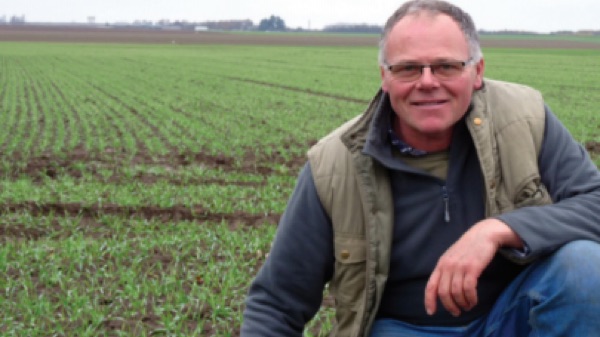
“My cost per hectare has dropped. The pH is more balanced through the soil layers, and the rooting is far stronger.”
Vieuvicq, Eure-et-Loir · 364 ha polyculture and livestock · since 2008
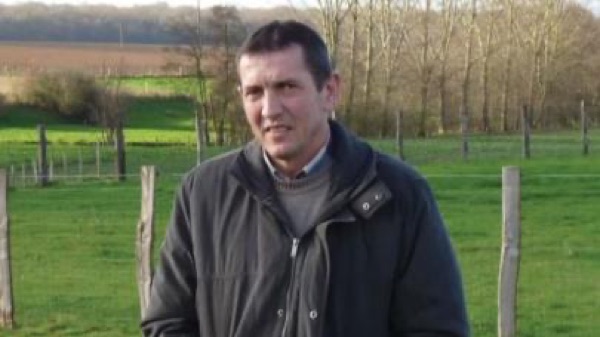
“With Bacteriosol we can permanently reduce fertilisers and fungicides and increase our gross margin.”
Moncrabeau, Lot-et-Garonne · 36 ha cereals, strawberries and orchards · Bacteriosol since 2014
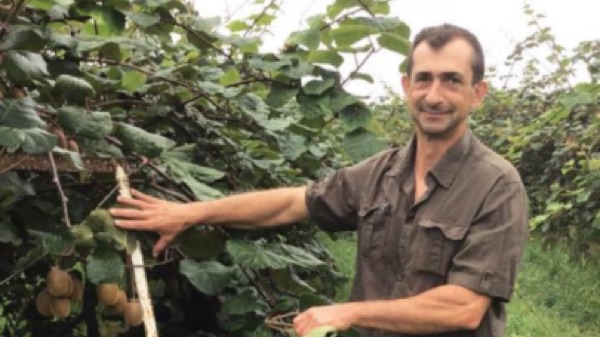
“I only regret one thing, not having known SOBAC earlier.”
Saint-Nizier-sur-Arroux, Saône-et-Loire · 80 Charolais cows · 120 ha · Bacteriolit since 2011
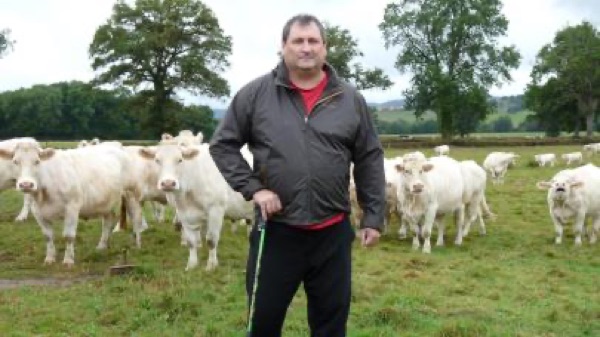
“In reality, I was born to work with SOBAC, it completely fits my philosophy. Vet costs have decreased by 30%.”
Ibos, Hautes-Pyrénées · 85 ha Charolais · 80 calves a year · since 2006
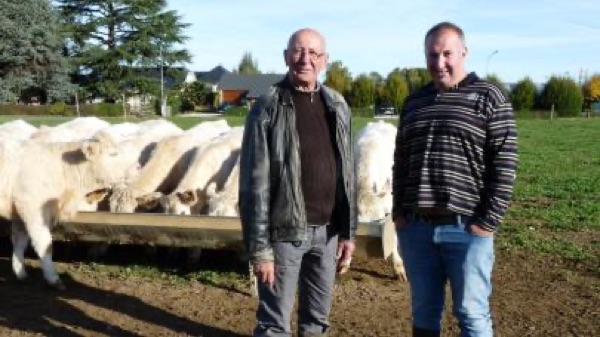
“We have gone from €10,000 to €3,700 in veterinary expenses, cows are healthy all year round.”
Chevagnes, Allier · 200 ha · 350 Charolais · Bacteriolit since 2004, Bacteriosol since 2005
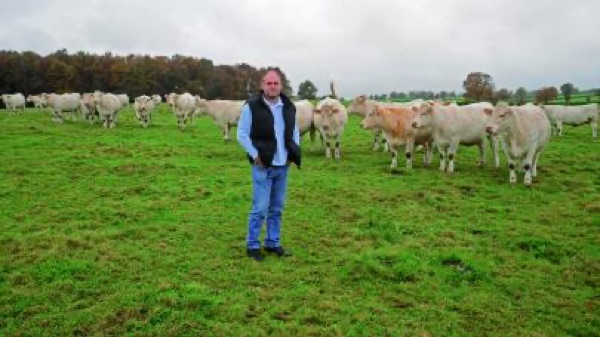
“It is an addition of little things that, in the end, changes our life.”
Cantal · 110 ha · 80 Limousin cattle · since 2003
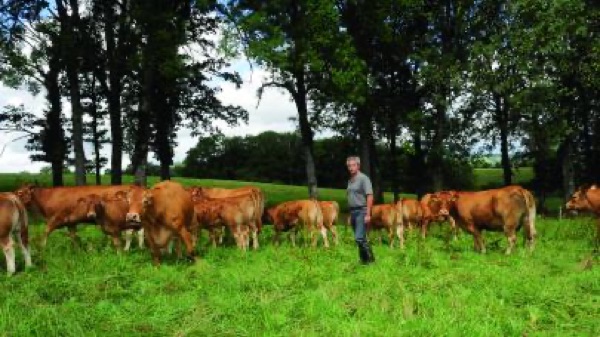
“Since I started working this way, I feel so much better in my head.”
Sévignac, Côtes-d'Armor (Brittany) · 125 Prim'Holstein plus 800 hogs a year · since 2013
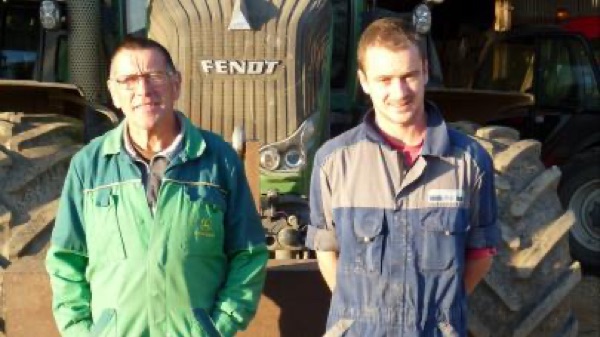
“We've stopped using 80 tonnes of lime and NPK a year, what I liked was the idea of putting life into the soil.”
Côtes-d'Armor (Brittany) · 63 ha · 30 dairy plus 30 suckler cows · Bacteriosol since 1997
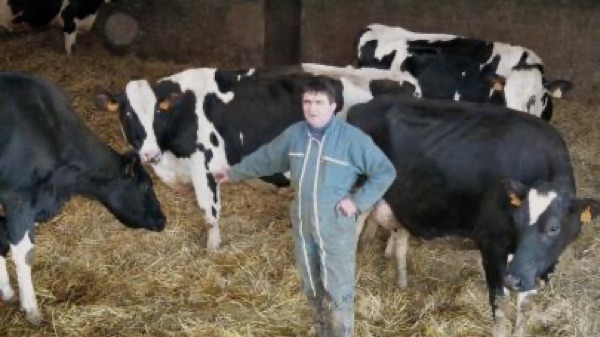
“I was an intensive farmer, I was looking to be independent.”
Châteaugiron, Ille-et-Vilaine (Brittany) · 62 ha · 50 Holsteins · 13 years with SOBAC
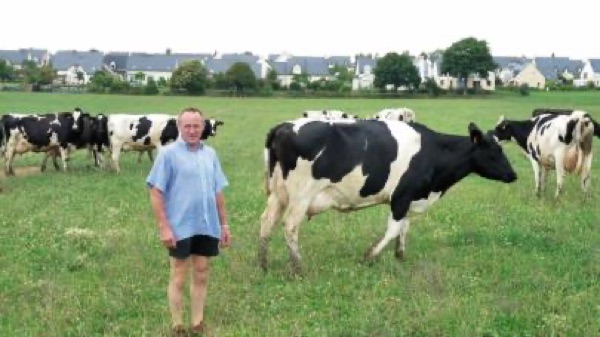
“My veterinary expenses went from €150 to €40 per cow.”
Deux-Sèvres · Gaec du Chêne Vert · 500 dairy goats · 80 ha · Bacteriolit since 2005
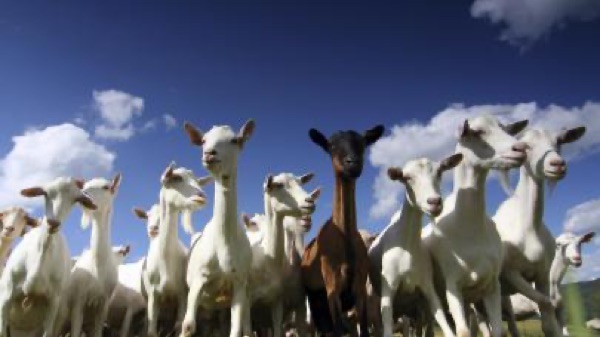
“Financially it is around 35% better.”
France · goats and cereals
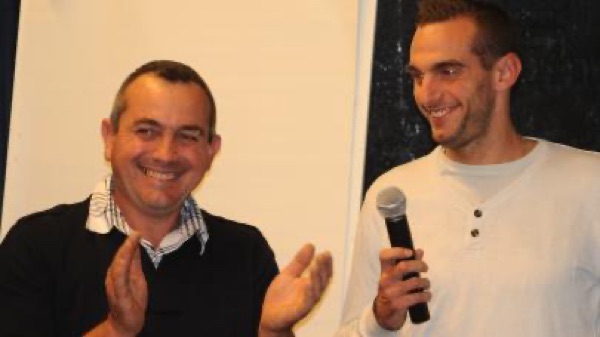
“Working with the soil rather than against it.”
Briennon, Loire · GAEC de la Grange Blanche · 216 ha · 150 Charolais · dairy and beef
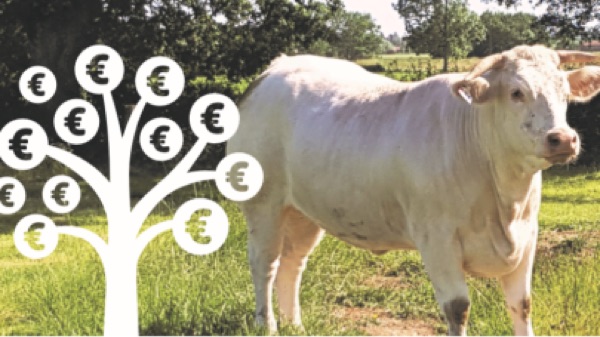
“Milk production per hectare is higher with SOBAC forages, thanks to a better soil balance, letting us feed more calves.”
Aveyron · veterinary comparative study · 10 SOBAC versus 10 conventional farms (2021)

“By taking control of their feeding, farmers let their animals better appreciate the ration.”
Mataró, Catalonia · 3 ha market garden · Bacteriosol since 2016
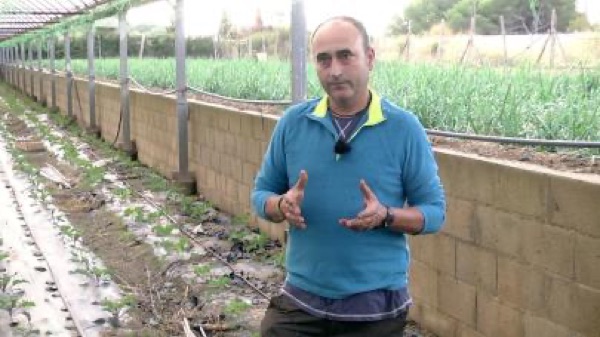
“I saw a dramatic change, customers say the vegetables are very tender, very good.”
Maresme, Catalonia · 4 ha vegetables (spinach, chard, radish)
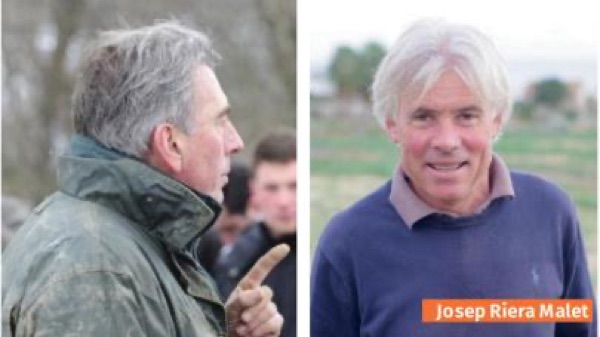
“You can get 100% of the crop without using chemicals, healthier for everyone, for the environment, the grower and the consumer.”
Löffingen, Black Forest · Haslachhof · 300+ ha organic cereals and maize · biogas plant
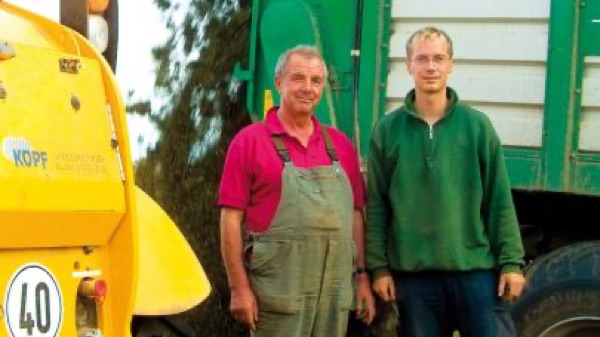
“Only a soil that works well and is alive gives you better yields.”
Pusztaszabolcs, near Budapest · 1,150 ha dairy-polyculture · 600 Holsteins · since 2010
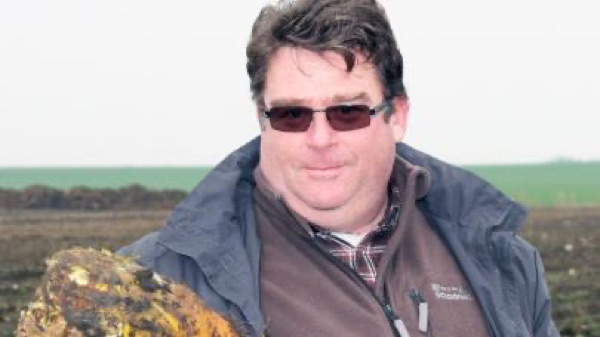
“Any doubts I had just vanished.”
Southern Slovakia · ~4,000 ha · rapeseed, soya, wheat plus sheep and Charolais
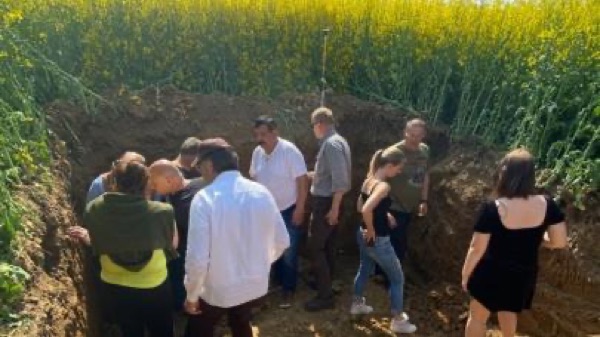
“I want my children to continue working on healthy land, we must take care of the soil.”
North-west Slovakia · 1,800 ha arable and livestock · Bacteriolit since 2020
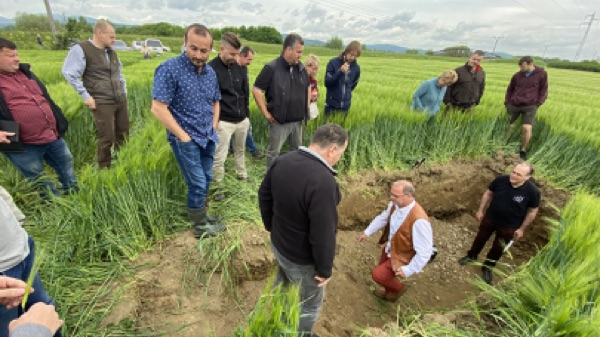
“My fields with Bacteriolit are much less compacted, water infiltrates more quickly.”
Vislavce, Slovakia · forest nursery · year-long trial, 50 treated versus 50 control
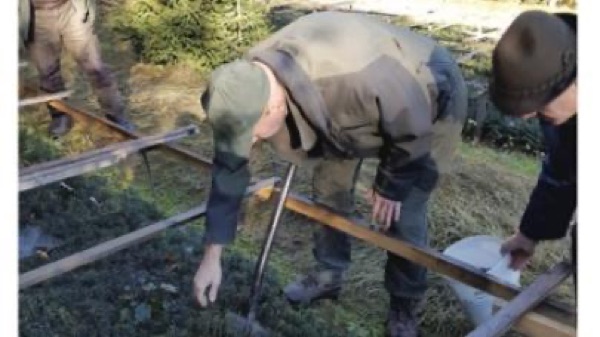
“Bacteriosol stimulates natural growth without chemical inputs.”
Île de la Réunion · poultry housing · Bacteriolit · 2016 results
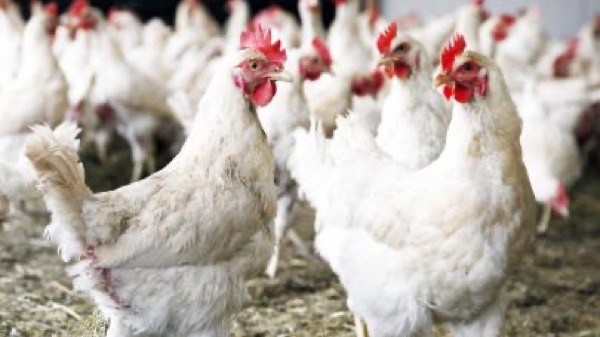
“44% less mortality, 81% fewer defects, better feed index, thanks to Bacteriolit.”
Portel-des-Corbières, Aude · 15 ha Corbières vineyard · Bacteriosol since 2015
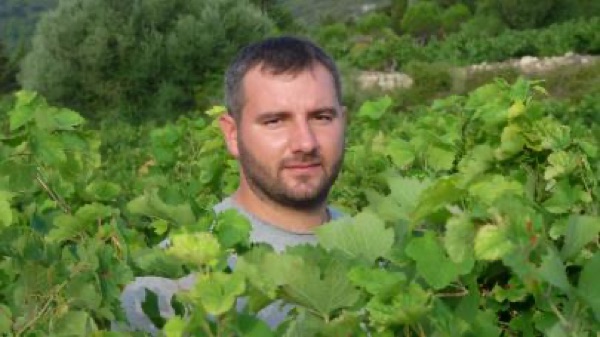
“90% less chlorosis and much less breakage in the wind.”
Saint-Michel-de-Fronsac, Gironde · 30 ha vineyard, mostly Merlot
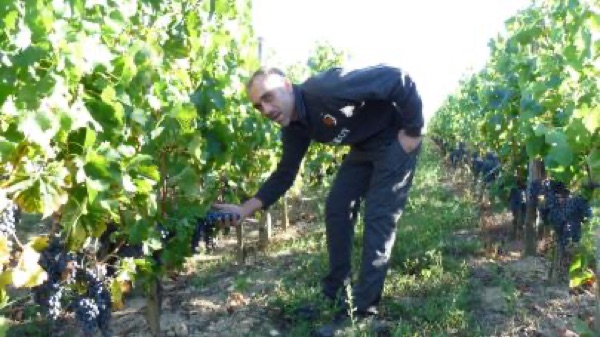
“The vines resist much better, they are greener on the virulent parts, and the soils are more flexible.”
Jully-lès-Buxy, Saône-et-Loire · Domaine la Renarde · 19 ha Burgundy appellations
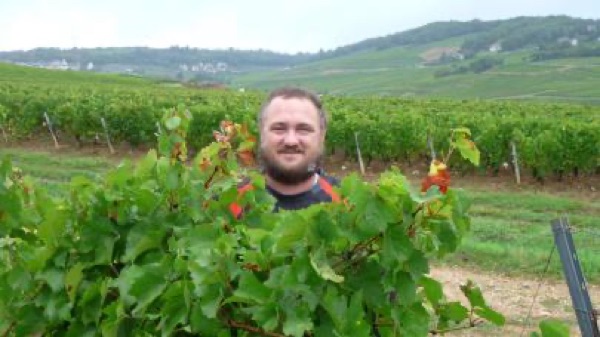
“The earth was blacker, the soil much more relaxed, earthworms have multiplied, a sign that life has returned.”
Nothalten, Bas-Rhin (Alsace) · 15 ha · Bacteriosol since 2005
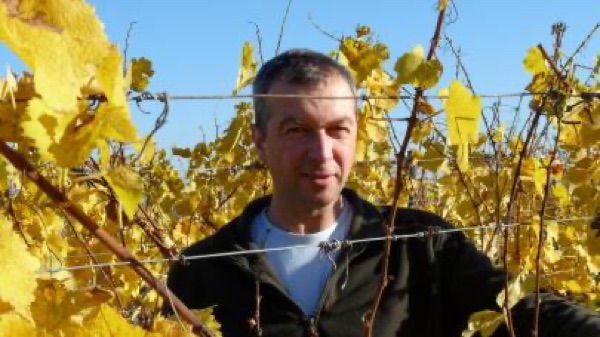
“My profit margin has increased, and the structure of the soil became crumblier.”
Cardet, Occitanie · vineyard
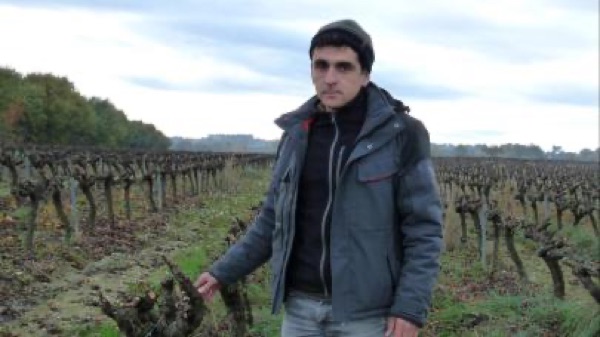
“This will influence the terroir of my wines.”
Universities, institutes and laboratories have measured what SOBAC does in the soil, the slurry store and the digester.
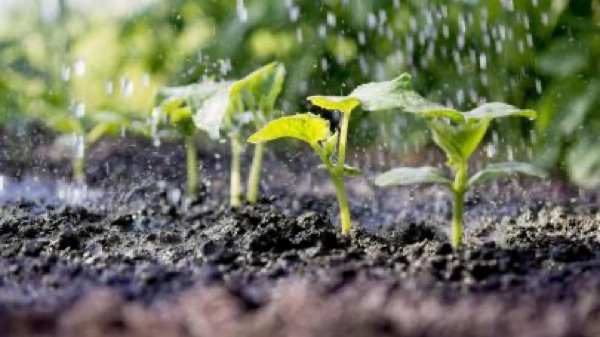
A 2016 to 2018 study on plots in northern France, using capacitive probes at depth, found Bacteriosol-treated soils stored more carbon and held more nutrients: +5 t C/ha/yr (+14.8%) and +250 kg N/ha/yr (+9.4%) versus control.
“Marcel Mézy Technologies allow rapid creation of humus, the natural reservoir of water and nutrients for plants.”
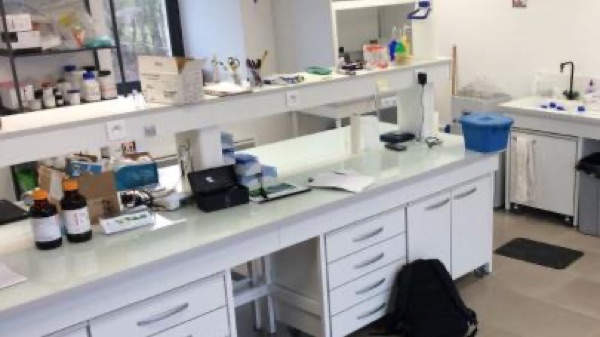
Opened in 2016, MEZAGRI's five scientists study soil micro-organisms and their effect on plant and animal production, with a mass spectrometer sensitive to parts-per-trillion, running hundreds of soil, plant and product analyses a year.
“We have to make the link between the quality of the soil and the quality of the products that grow there.”
A 2010 study at the AgroParisTech experimental farm (Thiverval-Grignon) found that treating manure and slurry with Bacteriolit cut dry-matter losses by 50%, keeping far more value in the muck.
“Reduction of dry-matter losses by 50%.”
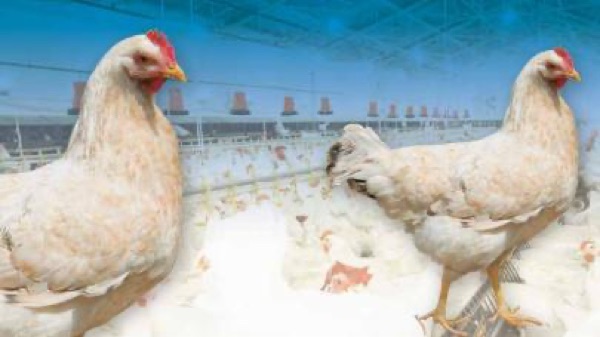
A 2006 ITAVI trial of Bacteriolit bedding treatment in Brittany poultry houses recorded an 82% cut in gaseous nitrogen (ammonia) and a 39% rise in organic-nitrogen retention, better air in the shed and more value retained.
“It improved the environment in the building and odours.”

A 2003 Belgian trial tracked nitrogen in cattle slurry over 3.5 winter months. Bacteriolit-treated manure held a complete nitrogen balance, with more nitrogen in nitrate form, while untreated slurry leached significantly.
“Bacteriolit maintains nitrogen balance throughout the winter.”
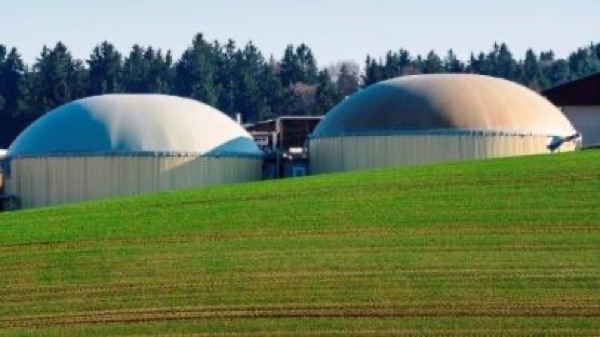
Bactériométha improves how accessible the organic matter is inside a digester. A 2019 study in Lioujas, Aveyron, documented measurable gains in methaniser energy production.
“It improves the accessibility of the organic matter in the digester and energy production.”
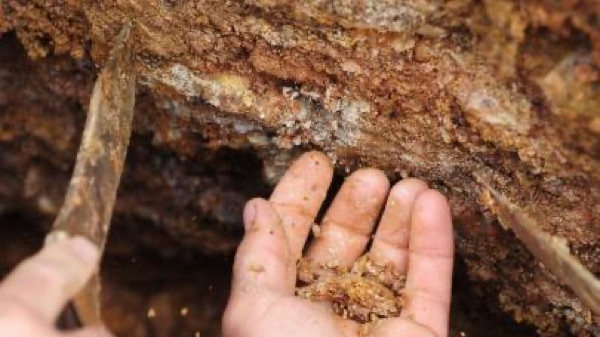
After seven years of SOBAC use, measured soil carbon rose +37% (11.7 t/ha/yr) and nitrogen +59% (1.4 t/ha/yr), with aeration and porosity doubled and water managed through humification.
“It was very interesting and demonstrative, the doubts I had just vanished.”
SOBAC's Bacteriosol is a 100% natural, UAB organic-certified biological soil inoculant developed by Marcel Mézy Technologies, validated by academic institutions across Europe.
The 2017 University of Toulouse (Purpan) study across 10 French sites found treated soils stored on average 18.2+ t C/ha more carbon (down to 1.8m) within 3 to 5 years.
An Agro ParisTech comparative study found input substitutions improved farmer gross margins by roughly 16 to 23%, cutting farm costs by up to 20%.
Over 30 years of continuous field application across more than 300,000 hectares, one of Europe's most validated soil-regeneration technologies.
Start with a half-field trial like Stephen and Hugh did. Tell us about your farm and we'll design a trial around it.
Start a trial enquiry